
Top 10 Personality Development Activities for Kids That Build Confidence and Social Skills
Personality development is not something one can acquire overnight; it is a gradual process. It won’t be completely wrong to say that a child's personality is shaped during their early growth years, where it is easy to shape their personality accordingly.
Though a child generally acquires personality through repeated experiences, leasons and social interactions but role of parents and academics can’t be completely ruled out.
Early exposure to personality development gives clarity about emotional expressions and communication in social settings, thus helping them gain the desired confidence needed for them to grow personally as well as academically.
In this detailed guide, we’ve noted down the top 10 personality development activities for kids. These are simple, fun activities that parents or teachers can introduce to their kids to help them gradually build personality over time without pressure.
Why Personality Development Is Important for Kids
Personality development is important for overall growth because it helps children:
- To develop emotional stability
- Maturity to handle their emotions in challenging situations
- Develop good communication skills
- Understanding social settings
- Confidently handle challenging situations
- Command over emotions
- Confidence while participating in co-curricular activities
- Better peer interactions
- Better decision-making and cognitive ability
Children with strong personalities often perform better academically, socially, and emotionally.
Top 10 Personality Development Activities for Kids That Encourage Confidence and Social Skills
Childhood is the foundation stage where confidence, communication, and character begin to take shape. The way children think, express themselves, handle emotions, and interact with others plays a major role in defining their personality as they grow. That’s why many parents today look for meaningful ways to teach public speaking to kids at ho me, helping them become more articulate, expressive, and self-assured from an early age.
1. Role-Playing Games
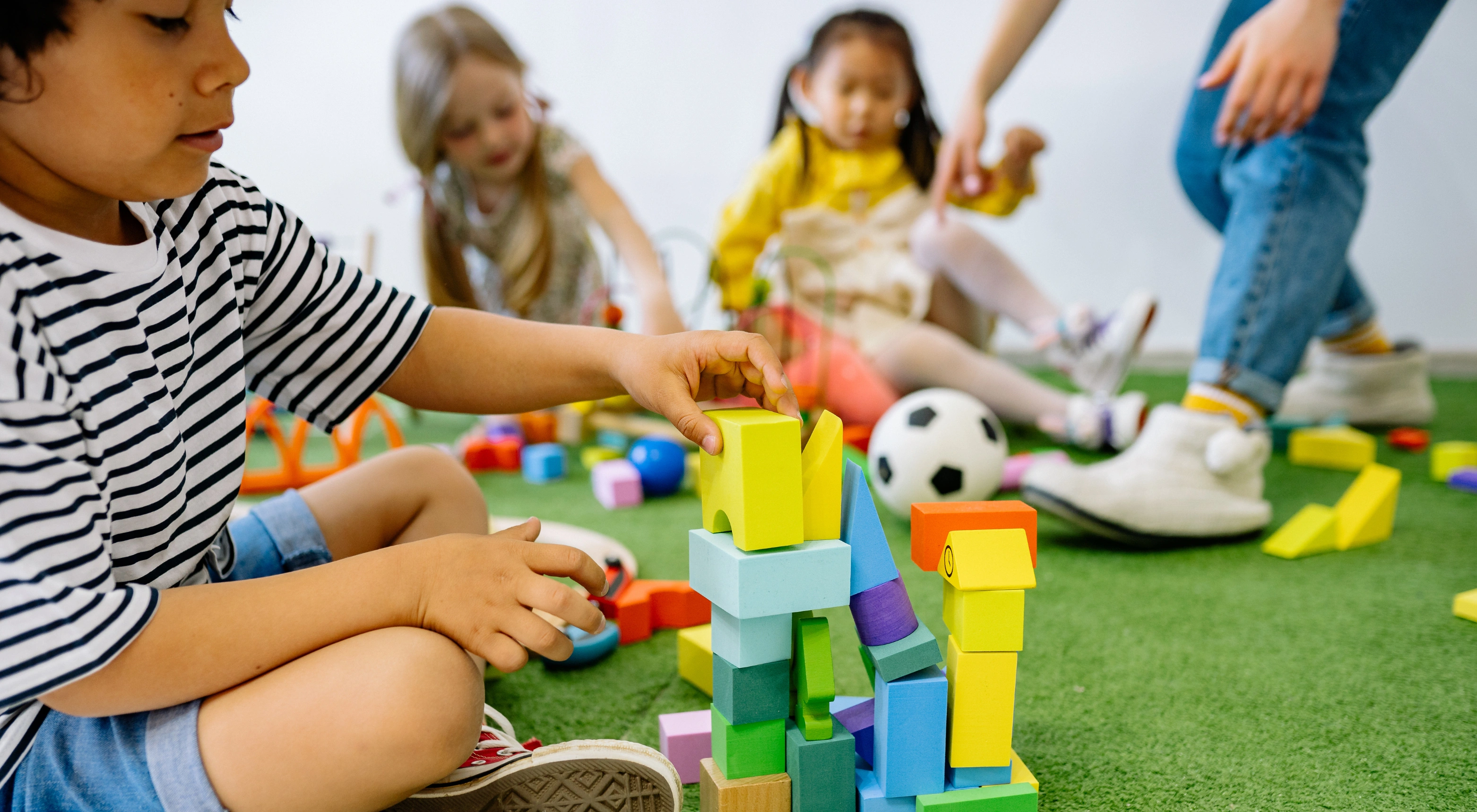
Skills Developed: Role playing are good activity for inculcating good Communication skills, confidence, and emotional expression in kids, thus they can handle their emotions much better than someone who has yet to undergo personality development training.
Age Group: 4–12 years
Role-playing allows children to act out real-life situations in a fun and safe environment.
How to Do It:
- Assign roles like teacher-student, doctor-patient, shopkeeper-customer
- Encourage better dialogue delivery and expressions of emotions.
Why It Works: Role-playing builds confidence, enhances vocabulary, and helps children understand different perspectives in a more fun and engaging way.
2. Storytelling and Story Creation
Skills Developed: storytelling is time tesed way for introducing better Creativity, imagination, and communication in kids. This is also the most interesting and curious way for kids to shape their personality
Age Group: 4–10 years
How to Do It:
- Ask your child to narrate a story or continue a story you started
- Use picture books or flashcards as prompts
Why It Works: Storytelling boosts imagination and helps children express their thoughts clearly and creatively.
3. Show and Tell Activity

Skills Developed: Public speaking, confidence
Age Group: 4–8 years
How to Do It:
- Ask your child to bring a favorite toy or object
- Let them explain why it’s special
Why It Works: This activity improves speaking skills and helps children overcome stage fright.
4. Team Games and Group Activities
Skills Developed: Teamwork, leadership, cooperation
Age Group: 5–12 years
Examples:
- Indoor group games
- Board games
- Sports activities
Why It Works: Team games teach children cooperation, leadership, patience, and respect for others.
5. Reading Aloud
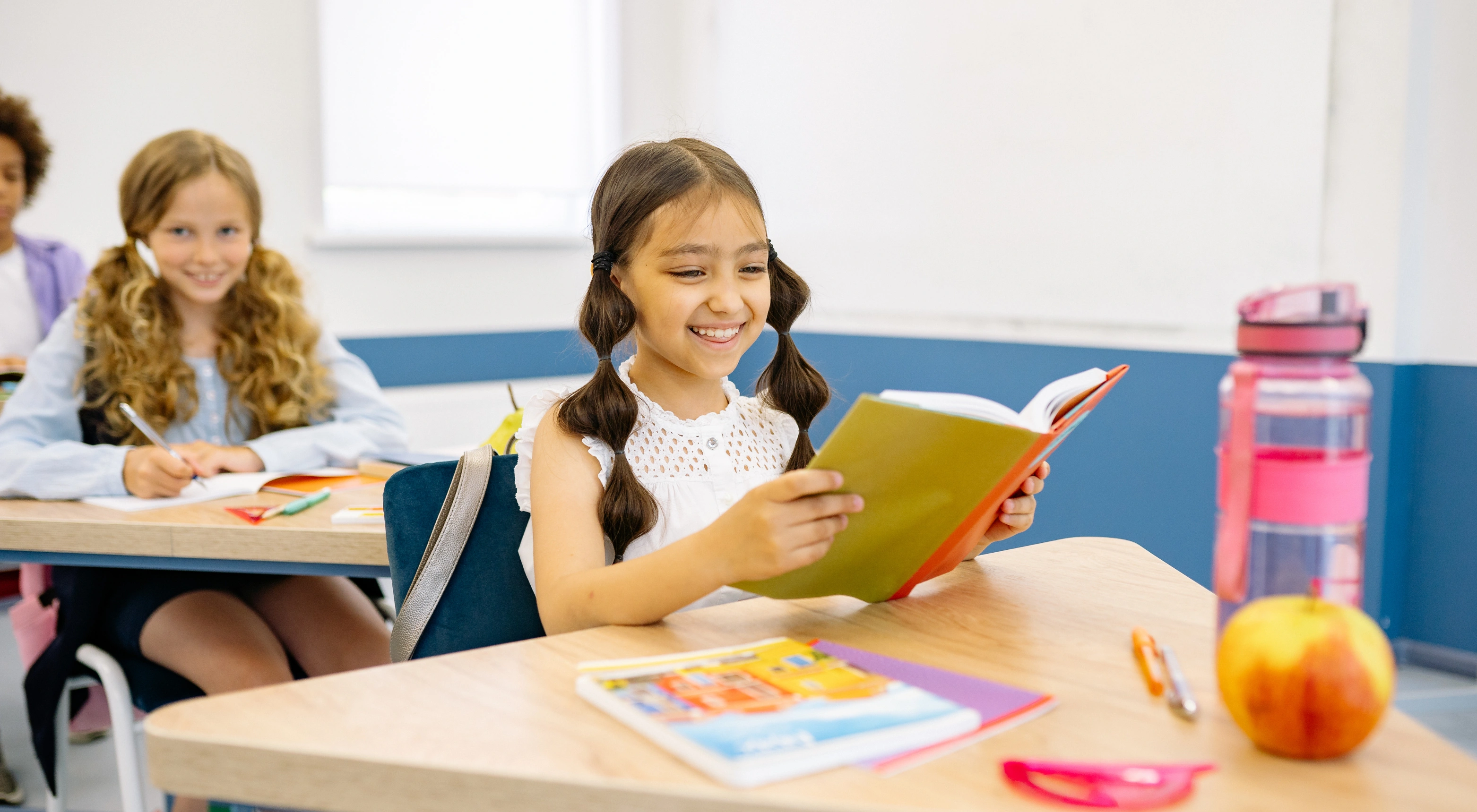
Skills Developed: Reading aloud impart Confidence, improves vocabulary, and enhances listening skills in kids from a very early age.
Age Group: 4–10 years
How to Do It:
- Pickkid friendly books for children
- Encourage your kids to read aloud for you. This will improve their vocabulary
- Encourage them to read bedtime stories to you
- Make them read aloud after you. This also improves their listening skills
Why It Works: Reading aloud builds language skills, confidence, and comprehension abilities.
6. Emotion Recognition Games
Skills Developed: Emotional intelligence, empathy
Age Group: 4–12 years
How to Do It:
- Use flashcards or facial expressions
- Ask children to identify emotions
Why It Works: Children learn to recognize and manage emotions, improving emotional maturity.
7. Decision-Making Activities
Skills Developed: Introducing kids to decision-making activities from a very early age enhances their ability to think diversely and also increases their sense of critical thinking.
Age Group: 6–12 years
How to Do It:
- Introduce them to simple, authentic, everyday examples and let them decide the outcome for their decisions.
- Take regular feedback about their decision and ask them the reason for their answers or actions.
Why It Works: Decision-making activities teach responsibility and logical thinking.
8. Art and Craft Activities
Skills Developed: Art and craft are good ways to develop curiosity and imagination in kids. They help in developing better Creativity, patience, and focus
Age Group: 3–12 years
Examples: for building much-needed creativity in kids, introduce them to activities like scratching, drawing, painting, sculpting, and crafting.
Why It Works: Art activities allow kids to express themself through their creativity without verbal involvement. This also helps them in better self-expression and boosts confidence through creativity.
9. Confidence-Building Exercises

Skills Developed: Self-esteem, positivity
Age Group: 5–12 years
Examples:
- Mirror talk
- Appreciation time
- Celebrating small achievements and milestones
Why It Works: Confidence-building exercises help children believe in themselves and develop a positive self-image.
10. Responsibility-Based Activities
Skills Developed: Discipline, accountability
Age Group: 5–12 years
Examples:
- Organizing toys
- Helping with simple household tasks
- Taking care of plants or pets
Why It Works: Responsibility teaches children discipline, independence, and accountability.
Also Read: 20 Effective Personality Development Topics for Students & Professionals
Tips for Parents and Teachers
- Celebrate small milestones
- Show support instead of criticism
- Be patient
- Don’t compare with peers
- Don’t pressurise for over-achievements
- Let kids grow gradually without pressure
- Set positive examples for your kids
- Make sure to introduce them with fun and engaging way of learning
- Keep motivating them
- Look for participation and not for perfection
Common Mistakes to Avoid
- Not catering to kids' emotional needs
- Forcing kids for quick results
- Constant criticism
- Unnecessary comparison with peers
- Forcing kids against their will
Personality development happens over time; this is not something that one can acquire overnight. So give your kid time to grow gradually with constant support, he/she will excel in life.
Conclusion
To conclude, we can say Personality development is an essential aspect for a child’s overall growth. But it's not a random habit that can be acquired over a few days, but it is a wholesome change in a person's lifestyle, his/her way of leading life. In this article, we have already mentioned the top 10 personality development activities for kids. These are an easy set of activities done in the presence of parents, teachers, or guardians.
For parents looking to provide structured guidance and expert support, enrolling children in an online personality development course can be a convenient and effective option.
A person needs to have a strong individual personality to excel in life. Acquiring it during early growth years can make it much easier for a person to outshine during the peak year of career development.