
10 Fun Personality Development Games for Kids at Home
Personality development in children is not something that happens overnight—it’s a gradual process shaped by experiences, communication, confidence, and emotional understanding. While schools play an important role, the home environment is where children feel most comfortable expressing themselves.
The good thing is that personality development doesn’t require a rigorous fixed schedule. It can be introduced through simple, fun games at home in the presence of parents.
Personality development games help children improve confidence, communication skills, emotional intelligence, creativity, leadership, and problem-solving abilities through interactive and fun games that makes is less boring and more engaging creative learning method.
In this detailed guide, we’ve noted down the 10 fun personality development games for kids at home. These are simple, fun activities that parents can introduce to their kids to help them gradually build personality over time without pressure, and also these are a simple and fun way of teaching life lessons.
Why are Personality Development Games good for kids?
With increasing academic and peer pressure, kids often feel stressed to meet the expectations and norms set by society. Along with this, increasing screen time and the influence of digital media have somehow reduced the cognitive ability of kids. To curtail this, introducing your kids to personality development activities from an early age is very important for them to excel in life.
- These activities help your child in managing their emotions more maturely
- Ensures that your child is empathetic and compassionate from a very early age
- Introduce them to the importance of teamwork and sharing
- Help in gaining confidence and the ability to properly express themselves
- Ensure to boost their cognitive ability along with better decision-making
Most importantly, these games strengthen the parent-child bond, making learning joyful and stress-free.
Also Read: 20 Effective Personality Development Topics for Students & Professionals
1. Role Play Game
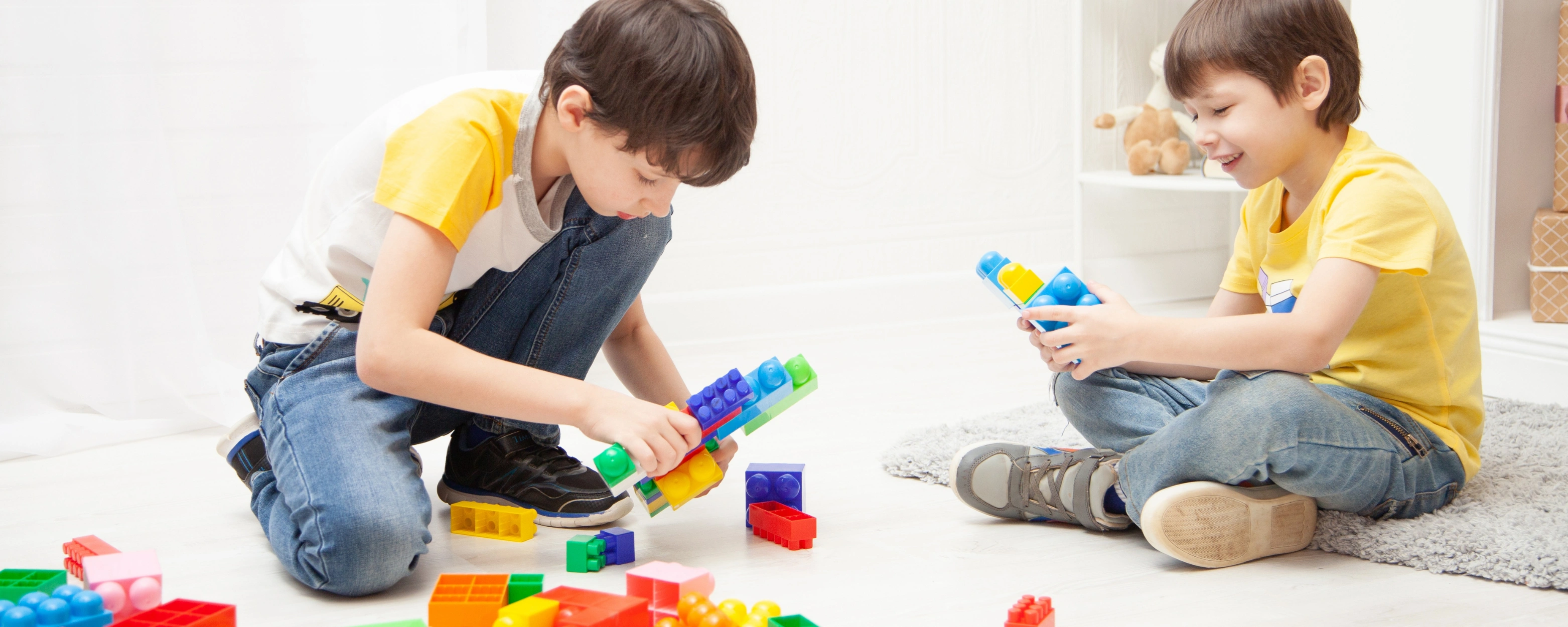
Skills Developed: Communication, confidence, and emotional expression are best suited for the age group 5–12 years. Role play is one of the most effective personality development games for kids. In this game, children act out different characters or situations.
How to Play:
- Start with assigning different roles to kids, which are interesting as well as part of everyday life, like teacher and student, doctor and patient, or shopkeeper and customer.
- Ensure that while role-playing, you give full freedom to your child to express themselves.
- In case they hesitate at some point, encourage and motivate them to continue.
Why It Helps: Role play builds confidence, improves verbal skills, and helps children understand different perspectives. Shy children especially benefit from expressing themselves without fear.
2. Show and Tell

Skills Developed: This activity is best suited to impart qualities like Public speaking, confidence, and organization. Best suited for the age group 4–10 years. This classic game works brilliantly at home.
How to Play:
- Ask your child to pick an object randomly, or you can pick one for your child
- Ask them to say a few words about the picked object. Give them 1–2 minutes to think about it and then talk about it.
- While speaking, make sure to encourage the child and ask them to talk while having eye contact and clear speech.
Why It Helps: Show and Tell improves speaking skills and helps children structure their thoughts while speaking confidently in front of others.
3. Emotion Charades
Skills Developed: Emotional intelligence, empathy. Best suited for the age group 5–12 years. Understanding emotions is a vital part of personality development.
How to Play:
- Write emotions like happy, sad, angry, excited, nervous, and proud on slips of paper.
- One person acts out the emotion without speaking.
- Others guess the emotion.
Why It Helps: This game teaches children to recognize emotions—both their own and others’—and respond empathetically.
4. Story Building Game
Skills Developed: This might sound like a simple activity, but are a great way of enhancing creativity, imagination, and communication in kids from a very early age. Best suited for the age group 6–12 years.
How to Play:
- Start by making imaginary characters and situations
- Let the kids build a story from there on
- Keep switching while narration
- Let's let this continue till the story finishes
Why It Helps: Story building enhances creative thinking, listening skills, and confidence in expressing ideas. It also teaches children to respect others’ contributions.
5. Decision-Making Scenarios
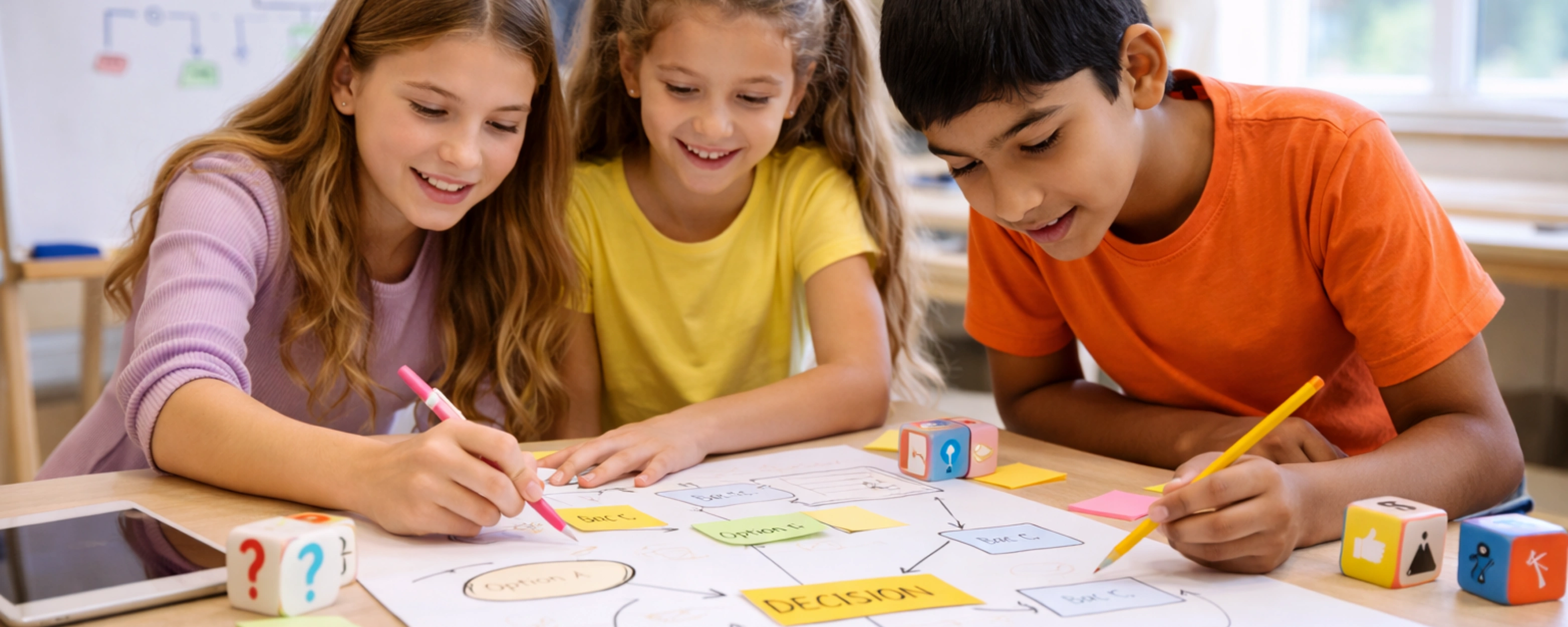
Skills Developed: Introducing kids to decision-making activities from a very early age enhances their ability to think diversely and also increases their sense of critical thinking. Best suited for the age group 7–12 years.
How to Do It:
- Introduce them to simple, authentic, everyday examples and let them decide the outcome for their decisions.
- Take regular feedback about their decision and ask them the reason for their answers or actions. Let the kid answer on their own. Let your child explain their decision.
Why It Helps: Decision-making activities teach responsibility and logical thinking. This game helps children think independently, develop moral values, and understand consequences—key traits of a strong personality.
6. Simon Says
Skills Developed: Listening skills, focus, and self-control. Best suited for the age group 4–8 years.
How to Play:
- Give commands starting with “Simon says…”
- Kids follow only if the phrase starts with “Simon says.”
Why It Helps: While simple, this game improves attention, discipline, and impulse control—important personality traits in young children.
7. Compliment Circle
Skills Developed: Positive attitude, self-esteem, empathy. Best suited for the age group 6–12 years.
How to Play:
- Sit in a circle with family members.
- Each person gives a compliment to the next.
- Encourage genuine and kind words.
Why It Helps: Children learn to appreciate others, express positivity, and build self-worth—essential for emotional and social development.
8. Leadership Game (Family Task Leader)
.webp "Personality Development for Kids")
Skills Developed: Leadership, responsibility, decision-making. Best suited for the age group 7–12 years.
How to Play:
- Assign your child as the “leader” for a small task (planning a meal, organizing a game night).
- Let them guide others.
Why It Helps: This game builds leadership confidence and teaches responsibility, teamwork, and accountability.
9. Guess the Sound
Skills Developed: This is simpelgames where kids are introduced to different random songs and later asked to identify the source of that sound. These games are good for enhancing Observation and concentration in kids. Best suited for the age group 4–10 years.
How to Play:
- Hide the source of sound from kids by asking them to either close their eyes or blindfold them
- Introduce them with random sounds that can be anything from animals sound to different noises in the environment, etc
- Then ask your kid the source of that sound
Why It Helps: This game enhances sensory awareness, focus, and patience, which contribute to a calm and confident personality.
10. Gratitude Game

Skills Developed: They are not just games but a form of life lessons. These games are the best way to improve your kids' emotional balance and increase positivity. Best suited for the age group 5–12 years.
How to Play:
- Ask your kids to be grateful for each good thing happening in their lives
- Ask your kids to show gratitude to god before having food
- Encourage kids to regularly name good things they are thankful for before bedtime
- Ask them to be compassionate and empathetic with others
Why It Helps: Gratitude builds emotional resilience, optimism, and a positive outlook—qualities that shape a balanced personality.
Also read: Top 10 Personality Development Activities for Kids
Tips for Parents
- Make games more fun and interactive
- Celebrate small milestones
- Focus on participation rather than perfection
- Maintain consistency
- Be more involved during activities by participating with the kids
- Ensure willful participation rather than pressuring them
- Don’t compare kids with their peers
Conclusion
To conclude this, we can say Personality development is an essential aspect for a child’s overall growth. But it's not a random habit that can be acquired over a few days, but it is a wholesome change in a person's lifestyle, his/her way of leading life. In this article, we have already mentioned the 10 fun personality development games for kids at home. These are an easy set of activities a parent can introduce to their kids. They are best at shaping your kids' personalities.
A person needs to have a strong individual personality to excel in life. Acquiring it during early growth years can make it much easier for a person to outshine during the peak year of career development, where confidence, self-esteem, and social interactions are very important.